High-Functioning Anxiety in High-Achieving Kids | Signs & Support
When anxiety hides behind success
From the outside, your child seems like they’re doing just fine.
They’re responsible.
They get good grades.
They’re the kid teachers don’t worry about.
But you see what others don’t.
The stress after school.
The pressure they put on themselves.
The way “doing well” never actually feels like enough.
And if you’ve ever thought, “Why are they so hard on themselves when they’re doing great?”—you’re not alone.
Many high-achieving kids are struggling in ways that are easy to miss.
This is often what high-functioning anxiety looks like.
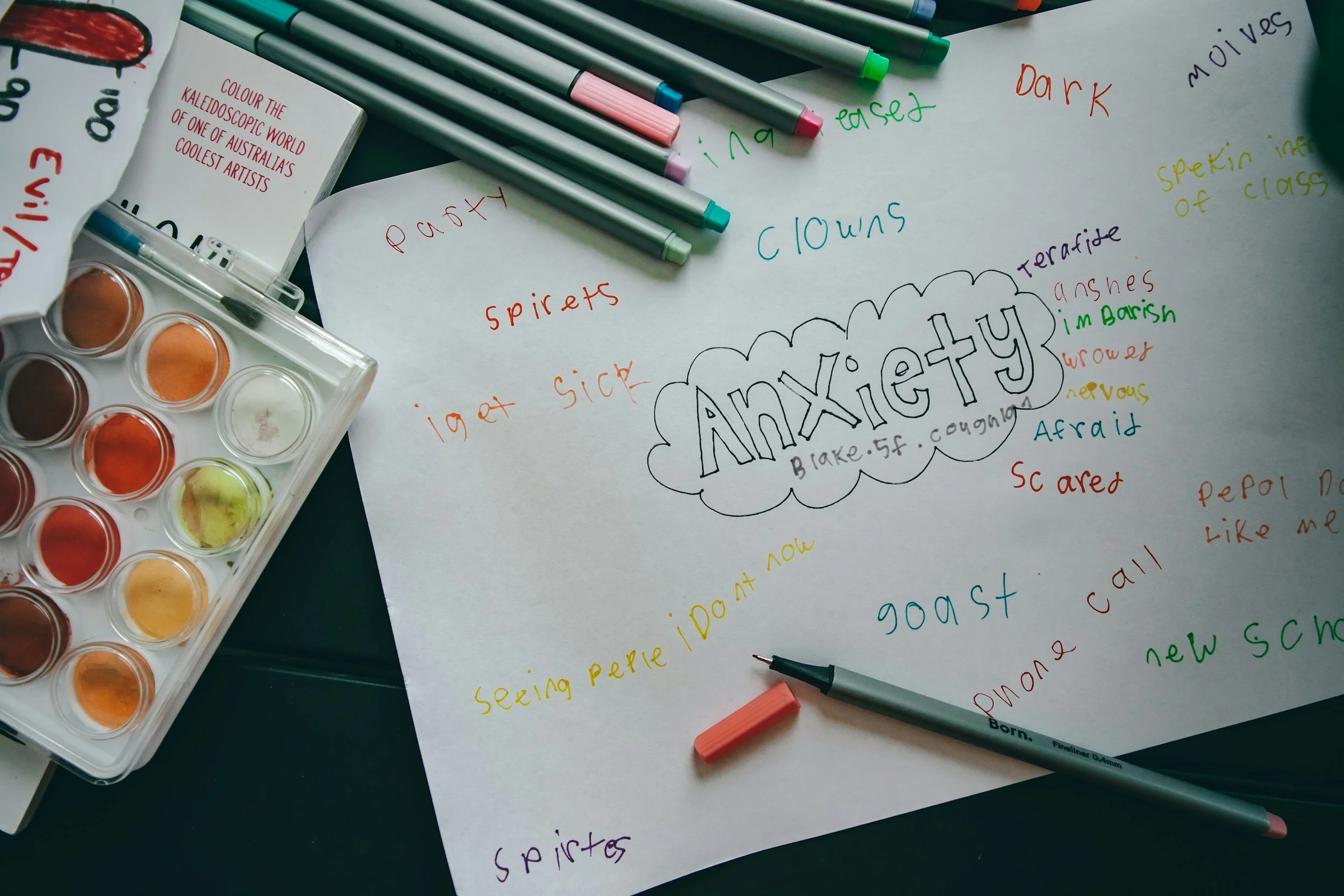
What High-Functioning Anxiety Looks Like
High-functioning anxiety can be easy to miss — especially in kids who are dependable, motivated, and high-achieving. These are often the kids who get praised the most.
But internally, they may be carrying a level of pressure that's exhausting.
You might notice:
Constant worry about performance, even when they're succeeding
Perfectionism or a deep fear of making mistakes
Difficulty relaxing or "turning off" their thoughts
Irritability or emotional outbursts at home after holding it together all day
Trouble sleeping or frequent physical complaints like headaches or stomachaches
A strong need for reassurance
A persistent feeling that they're never doing "enough"
These kids often don't look anxious in the traditional sense. They look responsible. Motivated. Put-together.
But they're working very hard just to keep it that way.
Why It Often Goes Unnoticed
High-functioning anxiety tends to fly under the radar because — in many ways — it gets rewarded.
When a child is achieving, following rules, and meeting expectations, it's easy to assume they're okay. But anxiety doesn't always show up as avoidance or visible distress.
Sometimes, it shows up as over-functioning.
Trying harder. Pushing through. Holding everything together.
Underneath that effort is often a nervous system that never fully gets a chance to rest.
Why It Develops
There isn't one single cause of high-functioning anxiety. More often, it develops over time through a combination of experiences and internal traits.
For some kids, it's connected to:
Chronic stress or consistently high expectations at school or home
Perfectionism and a strong internal drive to always "get it right"
Pressure to perform academically, socially, or in activities
Past experiences where being "good" or successful helped them feel safe or accepted
A sensitive or highly aware nervous system that picks up on subtle cues and expectations
For many kids, this way of coping starts as something adaptive — it helps them succeed, stay on track, and feel a sense of control. Until, eventually, it becomes exhausting.
And it's important to remember: your child isn't choosing this. They're not trying to be difficult or overly sensitive. They're doing the best they can with what they're feeling.
How Therapy Can Help
When high-functioning anxiety goes unaddressed, it tends to grow quietly — showing up more in high school, college, and beyond. Therapy offers a space to get ahead of that.
In our work together, kids and teens begin to:
Understand what's happening in their mind and body — often for the first time
Build nervous system regulation skills so they're not always running in "go" mode
Recognize the pressure they're carrying and where it's coming from
Develop more flexible, self-compassionate thinking that doesn't depend on performance
Feel safe expressing the emotions they've been quietly holding in
Over time, they don't need anxiety to keep everything together. They build something more sustainable — confidence that holds up even when things don't go perfectly.
You Don’t Have to Figure This Out Alone
If your child looks like they're doing "fine" on the outside — but you can tell something heavier is going on underneath — trust that instinct.
High-functioning anxiety is real, it's common, and it responds well to the right support.
I work with kids, teens, and families in Apollo Beach, Tampa, Riverview, Brandon, and Ruskin — helping them understand what's really driving the anxiety so things can finally start to shift.
If this sounds like your child, I'd love to help you make sense of what's going on. Schedule a free consultation with a child anxiety therapist in Apollo Beach— it's a simple first step, and there's no pressure.